Foundational Resources
This curated collection of foundational resources helps librarians get started in public health work. The page brings together key concepts, practical examples, and trusted materials that show how libraries can support community health. It is designed for those who are new to this space and want clear, credible starting points. You can use these resources to build understanding, identify opportunities, and begin engaging in public health initiatives.

Social Determinants of Health (SDOH)
Health doesn’t start in a doctor’s office—it starts in daily life. The conditions in which people are born, grow, work, and age—known as the Social Determinants of Health (SDOH)—shape the majority of health outcomes. This includes factors like education, income, housing stability, transportation, and access to reliable information.
For librarians, this isn’t abstract. It’s your everyday work. Helping someone apply for benefits, access the internet, improve reading skills, or find trustworthy health information directly influences their ability to make informed health decisions. In many communities, the library is one of the few accessible, trusted spaces where these needs intersect.
Understanding SDOH helps you move from offering general programs to designing services that address real barriers. Instead of asking, “What health program should we offer?” the better question becomes, “What challenges are our patrons facing that affect their health?”
This shift leads to more meaningful, relevant programming—whether that’s supporting digital access for telehealth, offering health literacy workshops, or partnering with local organizations to address gaps in care. Libraries are not on the periphery of public health—they are embedded within it.

Health Literacy Basics
Health information is only useful if people can understand and act on it. Health literacy refers to a person’s ability to find, understand, and use health information to make decisions. But it’s not just an individual responsibility—systems and organizations play a major role in how accessible that information is.
In practice, many health materials are written at a level far above what the average person can easily understand. Instructions may be vague, terminology unfamiliar, and next steps unclear. This creates a gap between information and action—where confusion, delays, and avoidable mistakes can occur.
Librarians are uniquely positioned to bridge this gap. By prioritizing plain language, breaking down complex concepts, and guiding patrons to reliable, easy-to-understand resources, you help transform information into something usable.
Small changes make a significant difference. For example, replacing technical language with everyday terms, organizing information into clear steps, and encouraging patrons to explain back what they’ve understood can improve comprehension and confidence.
Health literacy is not about simplifying information to the point of losing meaning—it’s about making it accessible. When people understand what to do next, they are far more likely to follow through. That’s where libraries can have a measurable impact.
Designing a Community Health Program
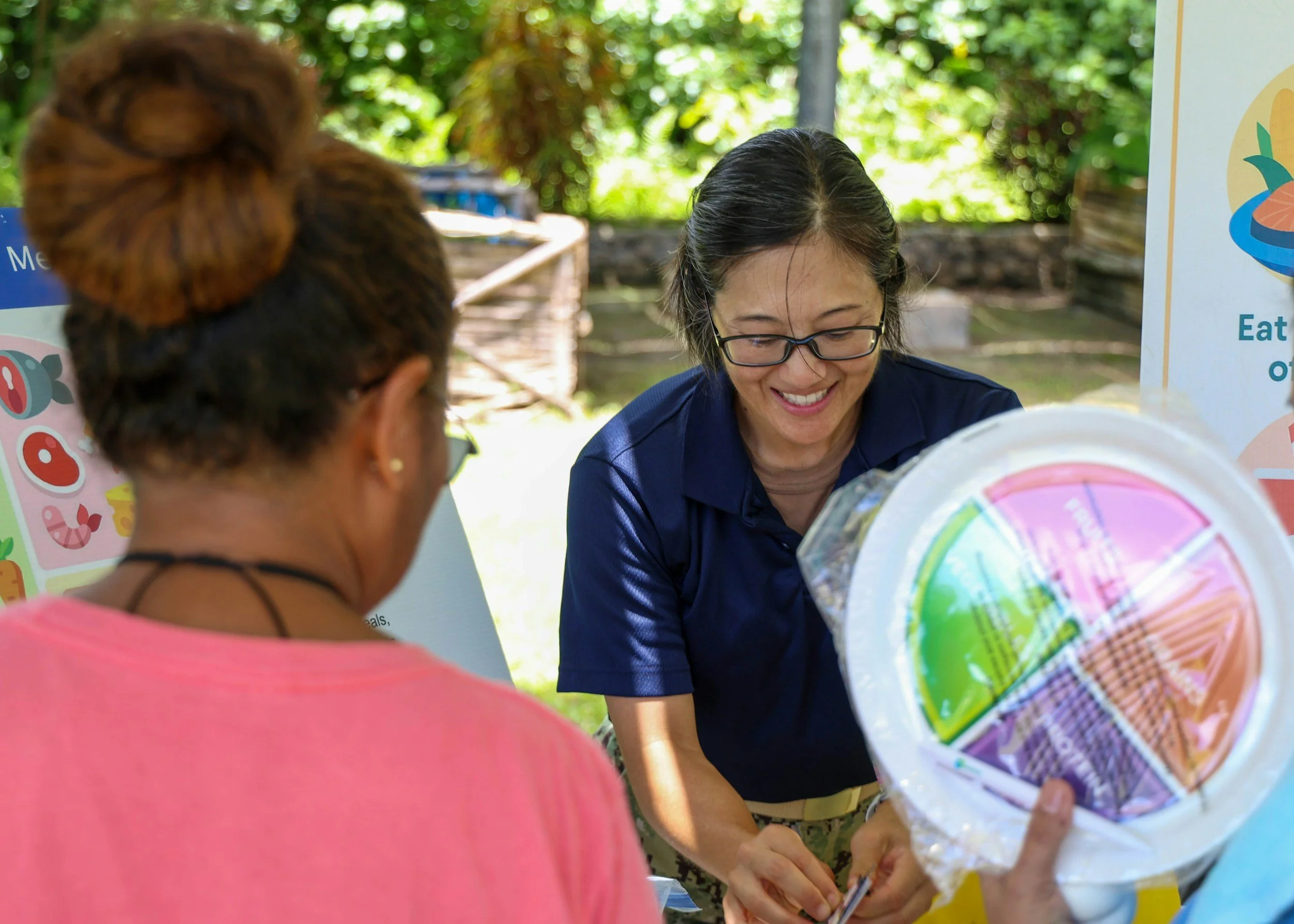
Effective community health programs don’t start with a topic—they start with a need. Before planning activities, it’s important to understand what challenges your community is actually facing. This can be done through informal conversations, partnerships with local organizations, or reviewing publicly available health data.
Once a need is identified, the goal is to design a focused, manageable program. This doesn’t require a large budget or complex infrastructure. In fact, the most effective programs are often small, targeted, and clearly defined.
A simple planning structure can help: identify your goal (what you want to change), your activities (what you will do), and your expected outcomes (what will be different as a result). For example, instead of broadly aiming to “improve community health,” a program might focus on helping patrons understand how to access preventive services or navigate health insurance options.
Partnerships are key. Public health departments, community clinics, and local nonprofits often have expertise and resources that complement what libraries offer. By working together, you can expand reach and increase impact without duplicating efforts.
The goal is not to do everything—it’s to do something meaningful, well.

Program Monitoring and Evaluation (M&E)
Monitoring and evaluation don’t have to be complicated to be effective. At their core, they answer two simple questions: Are we doing what we planned to do? And is it making a difference?
Monitoring focuses on tracking activities. This includes things like how many programs were delivered, how many people attended, and what services were provided. Evaluation goes a step further by looking at outcomes—what changed as a result of those activities.
For libraries, a simple approach is often the most sustainable. Instead of trying to measure everything, focus on a few meaningful indicators. For example, you might track whether participants report increased confidence in finding health information, or whether they were able to complete a specific task, like enrolling in a program or scheduling a service.
Collecting feedback doesn’t need to be time-consuming. Short surveys, informal conversations, or even quick check-in questions can provide valuable insights. The key is to use this information—not just collect it.
When you understand what’s working and what isn’t, you can adjust your approach, improve your programs, and demonstrate the value of your work. Monitoring and evaluation are not just reporting tools—they are tools for learning and improvement.
Trusted Health Information for Library Patrons
One of the most immediate ways libraries support community health is by connecting patrons with trustworthy information. In a digital environment filled with misinformation, this role is more important than ever.
Not all health information is created equal. Many websites contain outdated, biased, or commercially driven content that can mislead or confuse users. Librarians can help patrons navigate this landscape by directing them to reliable, evidence-based sources.
Trusted resources like MedlinePlus, the National Institutes of Health, and the Centers for Disease Control and Prevention provide accurate, up-to-date information in formats designed for the general public. These sources avoid unnecessary jargon, clearly explain conditions and treatments, and often include multilingual options.
Equally important is how information is introduced. Patrons may feel overwhelmed, anxious, or unsure of what they’re looking for. Starting with a clear, easy-to-navigate resource and guiding them through it can make the experience more manageable.
This isn’t just about answering questions—it’s about building confidence. When patrons know where to go and how to evaluate information, they are better equipped to make informed decisions long after they leave the library.
Library-Specific Health Initiatives & Models
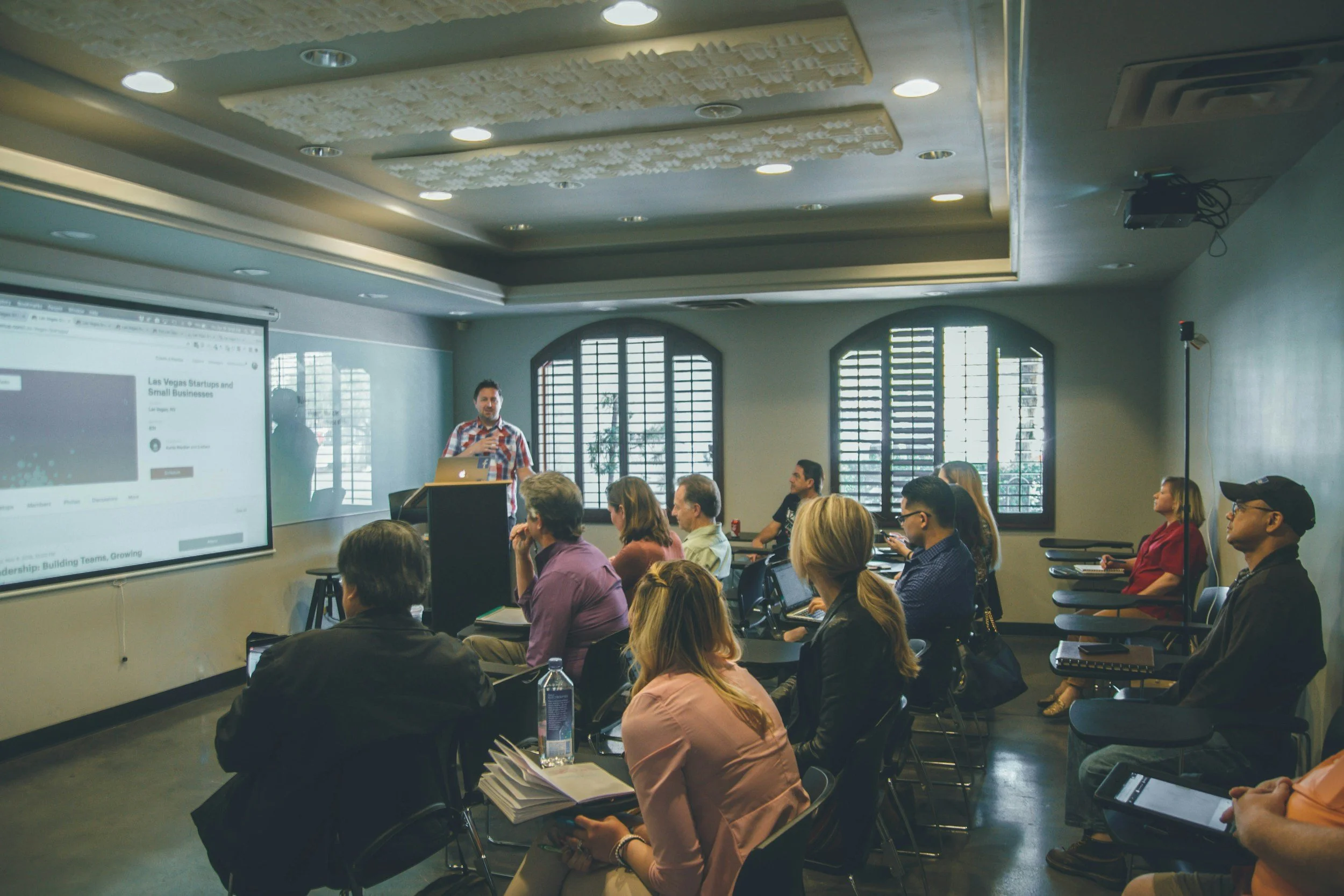
Libraries across the country are already playing an active role in advancing community health. From hosting enrollment assistance during insurance sign-up periods to supporting research initiatives and health education programs, these efforts demonstrate what’s possible within a library setting.
Many successful models share a few key characteristics: they are community-driven, partnership-based, and designed with accessibility in mind. Rather than creating standalone programs, libraries often integrate health into existing services—meeting patrons where they already are.
National initiatives and organizations provide valuable examples and support. Programs like those offered through the Network of the National Library of Medicine (NNLM) and funding opportunities from the Institute of Museum and Library Services (IMLS) can help libraries build and expand their efforts.
These models don’t need to be replicated exactly. Instead, they can serve as inspiration. What works in one community may need to be adapted for another, depending on local needs and resources.
The key takeaway is this: libraries don’t need to start from scratch. There is a growing ecosystem of programs, partnerships, and proven approaches that can be tailored to fit your community.